
This article is not going to lecture you.
It’s not going to make you feel embarrassed about the condition of the home. It’s not going to suggest you just “declutter a little” before listing or imply that the situation is simple if you just try hard enough.
Selling a hoarder home — whether it’s a property you’ve lived in, a home you’ve inherited from a parent or relative, or a rental that got away from you — is one of the most emotionally and logistically complex real estate situations a person can face. And in Metro Atlanta, it’s more common than most people realize.
If you’re reading this, you already know what you’re dealing with. What you need are real answers.
This guide will give them to you. What a hoarder home means for your sale options. What it actually costs to clean and remediate versus sell as-is. How Atlanta’s real estate market treats these properties. And exactly what steps to take — starting today — to get this property sold and this chapter of your life behind you.
What Is a Hoarder Home — and Why Does It Matter for Selling?
Hoarding disorder is a recognized mental health condition characterized by the persistent difficulty discarding possessions, regardless of their actual value. The result — a home filled with accumulated items to the point that living spaces can no longer be used as intended — affects an estimated 2–6% of the population. That translates to hundreds of thousands of homes across Georgia alone.
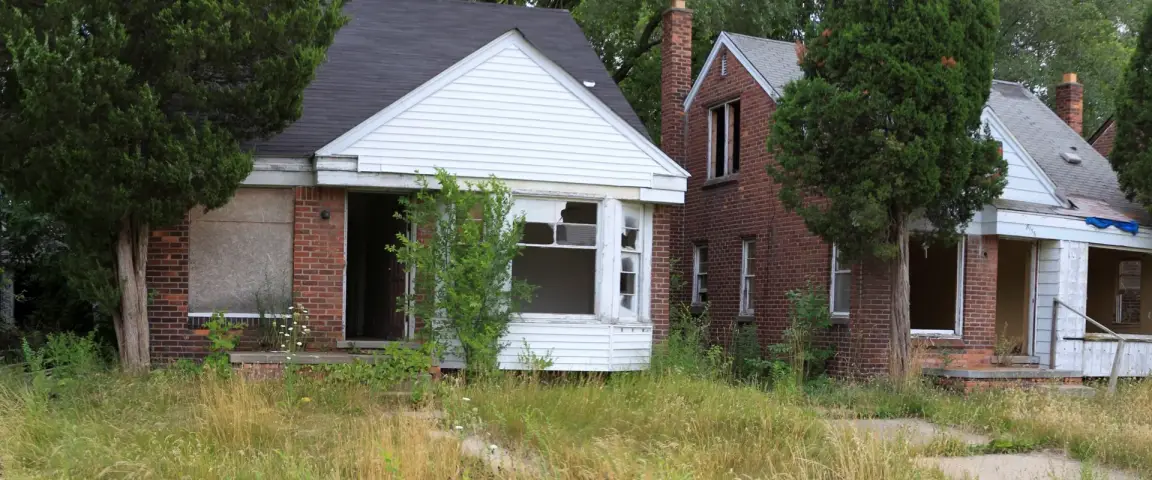
For real estate purposes, a hoarder home is any property where the accumulation of belongings, debris, or materials has significantly impacted the home’s condition, habitability, or structural integrity. This can range from a home that is heavily cluttered but otherwise intact, all the way to properties with compromised floors, walls, and ceilings due to years of weight, moisture, and neglect.
Why does this distinction matter? Because the condition of the home directly determines which selling options are available to you, how long the process will take, and what you can realistically expect to walk away with.
The Unique Challenges of Selling a Hoarder Home in Atlanta
Selling a hoarder home is not like selling a home that simply needs new carpet and a coat of paint. The challenges are layered — practical, financial, and emotional — and understanding them upfront helps you make better decisions.
The Condition Challenge
Decades of accumulation do real damage to a home. Common issues found in hoarder properties include:
Structural damage — floors weakened or collapsed under excessive weight, walls damaged by stacked items, staircases blocked or compromised, ceilings showing stress from above-average loads.
Moisture and mold — when airflow is blocked by accumulated items, moisture has nowhere to go. Mold thrives in these conditions and can spread through walls, subfloors, and HVAC systems without being noticed for years.
Pest infestations — rodents, cockroaches, and other pests find ideal habitat in homes with significant accumulation. A hoarder property with a pest problem requires licensed extermination in addition to cleanout and remediation.
Fire hazards — accumulated paper, fabric, and other combustibles dramatically increase fire risk. Many hoarder homes also have compromised electrical systems due to the difficulty of accessing panels, outlets, and wiring for maintenance or updates.
Plumbing and HVAC neglect — when rooms and access points are blocked, routine maintenance becomes impossible. Pipes go unaddressed. HVAC filters go unchanged. Systems fail without anyone being able to reach them.
Sewage and biohazard conditions — in severe cases, hoarder homes may have non-functioning bathrooms, animal waste contamination, or other biohazard conditions that require specialized professional remediation.
The Emotional Challenge
Here’s something that doesn’t get discussed enough: selling a hoarder home is emotionally brutal, even when the hoarder is a loved one who has passed away rather than the seller themselves.
If you inherited a hoarder property from a parent or grandparent, you may be grieving at the same time you’re trying to manage an overwhelming physical situation. The contents of the home represent a person’s life — and sorting through them, even to facilitate a sale, can feel like an act of betrayal.
If you are the homeowner and struggle with hoarding yourself, the prospect of selling means confronting the accumulation directly — which is precisely what the disorder makes most difficult.
There is no right way to feel about any of this. What matters is that you have options — including options that don’t require you to sort through a single item before the sale closes.
The Market Challenge
Traditional buyers — the ones getting conventional mortgages, working with mainstream real estate agents, browsing Zillow on their lunch break — are almost never going to purchase a hoarder home. Their lenders won’t finance it. Their agents aren’t equipped to handle it. And most buyers simply don’t have the vision, resources, or appetite for what a hoarder property requires.
This is not a reason to panic. It is simply a reason to understand that a traditional MLS listing is almost never the right approach for a hoarder property — and that the right buyer pool for your home is one that operates very differently.
Your Real Selling Options for a Hoarder Home in Atlanta
Option 1: Clean Out the Property and Sell Traditionally
Let’s start here because it’s what most people instinctively consider first — and it’s worth being honest about what it actually involves.
A full professional cleanout of a hoarder home in Metro Atlanta is a significant undertaking. Depending on the size of the home and the severity of the accumulation, you are looking at:
Junk removal and hauling — multiple dumpster loads, often requiring a licensed junk removal company with experience in hoarder properties. Costs can range from $2,000 to $10,000 or more depending on volume.
Biohazard remediation (if applicable) — if the home has animal waste, human waste, or other biohazard conditions, licensed biohazard remediation is legally required and can cost $3,000–$20,000+.
Mold remediation — extremely common in hoarder homes. Costs range from $5,000 to $30,000+ depending on extent and location of growth.
Pest extermination — treatment plus follow-up inspections. $500–$3,000 depending on severity and type of infestation.
Structural repairs — damaged floors, walls, and ceilings after the cleanout reveals what was hidden beneath the accumulation. This is where costs can truly escalate — $10,000 to $50,000+ in severe cases.
Full renovation to make the home market-ready — new flooring, paint, fixtures, appliances, landscaping. Another $20,000–$60,000 depending on the home’s size and condition baseline.
Total realistic cost of taking a severe Atlanta-area hoarder home from current condition to market-ready: $40,000 to $150,000 or more. And that’s before agent commissions, months of carrying costs during renovation, and the very real risk that the renovation reveals additional problems that push costs higher.
For many homeowners — particularly those who inherited the property, are managing it from out of state, or simply don’t have the cash reserves to fund a full renovation — this path is not realistic.
Option 2: Sell As-Is to a Cash Buyer or Real Estate Investor
This is the option that changes everything for most Atlanta hoarder home sellers — and it’s the one that most people don’t know is fully available to them.
Cash buyers and real estate investors purchase hoarder homes in Atlanta every single day. In any condition. With the contents still inside. Without requiring a single item to be removed, a single repair to be made, or a single inspection to be passed.
Here is what this process looks like in practice:
You make one call. You reach out to a local real estate professional or investor who specializes in as-is and distressed property sales in Metro Atlanta. You describe the situation honestly — the condition of the home, what you know about any structural issues, whether there are any liens or legal complications.
They assess the property quickly. A brief walkthrough — or even photos and a video tour if you prefer to minimize in-person contact — gives the buyer enough information to make an offer. There is no judgment. These professionals have seen everything.
You receive a written cash offer within 24–48 hours. The offer reflects the home’s current as-is condition, the estimated cost of the cleanout and renovation the buyer will handle after closing, and the buyer’s margin for taking on that risk and complexity. It will be lower than what a fully renovated home would sell for — but it’s a real number, available now, with no repairs required from you.
You choose your closing date. Need 30 days to handle legal or estate matters? Fine. Need to close in 10 days? Also fine. Cash buyers work on your timeline.
You show up at closing and receive your proceeds. The buyer handles every aspect of the cleanout, remediation, and renovation after closing. You never have to set foot in the home again if you don’t want to.
For heirs managing an inherited hoarder property, for homeowners who cannot physically or emotionally manage a cleanout, and for anyone who simply needs this situation resolved without months of disruption — this is a genuinely life-changing option.
Option 3: Hybrid Approach — Partial Cleanout, Then Sell As-Is
Some sellers land in the middle — they’re able to remove personal items of sentimental or financial value (family photos, jewelry, financial documents, heirlooms) but don’t want to tackle the full cleanout. This is a completely valid approach.
A partial cleanout to recover meaningful personal property, followed by an as-is sale with the remaining contents included, is something cash buyers handle routinely. In fact, many buyers will explicitly offer to purchase the home “contents included” — taking responsibility for the disposal of everything that remains.
If you want to go through the home at your own pace to retrieve what matters before handing off the rest, a good cash buyer will work with your timeline to make that possible.
What About Inherited Hoarder Homes in Atlanta? A Special Section for Heirs
Inherited hoarder homes deserve their own conversation because the circumstances — and the emotional weight — are distinctly different.
When a parent or grandparent passes away and leaves behind a home in hoarder condition, heirs are navigating grief, family dynamics, legal complexity, and an overwhelming physical situation simultaneously. It is genuinely one of the hardest real estate situations that exists.
The Probate Question
Before an inherited property in Georgia can be sold, the estate typically needs to go through probate — the legal process by which the court validates the will (if one exists) and authorizes the executor or administrator to act on behalf of the estate.
In Georgia, probate can be relatively straightforward when there is a valid will and the heirs are in agreement. It can become complicated when there are multiple heirs who disagree, when there is no will, or when the estate has outstanding debts or liens.
A real estate professional experienced with inherited properties and estate sales can connect you with a Georgia probate attorney who can move this process forward efficiently. Many cash buyers who specialize in inherited properties have these relationships built in and can help coordinate the legal and real estate sides of the transaction simultaneously.
When Multiple Heirs Are Involved
One of the most common complications with inherited hoarder homes in Atlanta is disagreement among heirs. One sibling wants to sell immediately. Another wants to clean it out properly. A third lives out of state and just wants their share without the hassle.
A fast as-is cash sale is often the path that works for all parties — it resolves the estate cleanly, distributes proceeds to everyone simultaneously, and eliminates the ongoing burden of managing a difficult property from a distance.
The Contents of the Home
The personal belongings inside an inherited hoarder home can be one of the most emotionally charged parts of the situation. Some items may have genuine financial value — antiques, collectibles, jewelry, financial documents — buried within the accumulation.
Before agreeing to an as-is sale with contents included, consider having an estate sale professional or appraiser do a brief walkthrough to identify anything of significant value. This is a relatively low-cost step that can sometimes recover meaningful value from what appears to be overwhelming clutter.
How Atlanta’s Real Estate Market Treats Hoarder Homes
Metro Atlanta has a large and active community of real estate investors, rehabbers, and cash buyers who specifically seek out distressed properties — including hoarder homes. This is genuinely good news for sellers.
The reasons are straightforward: Atlanta’s strong population growth and housing demand mean that renovated homes sell quickly and at good prices. Investors who can purchase a distressed property cheaply, renovate it efficiently, and resell it into a strong market can generate solid returns. Your hoarder home — as overwhelming as it feels right now — is an opportunity to someone with the right resources and experience.
This investor demand is concentrated across Metro Atlanta, but particularly active in communities like:
DeKalb County — Stone Mountain, Lithonia, Decatur, Clarkston, and Tucker all see consistent investor activity in distressed and hoarder properties.
South Fulton County — East Point, College Park, Fairburn, and Union City have large volumes of older housing stock that investors actively pursue.
Clayton County — Jonesboro, Riverdale, Morrow, and Forest Park are active markets for distressed property investors.
Gwinnett County — Lawrenceville, Norcross, and Snellville have growing investor interest driven by the county’s rapid population growth.
Rockdale and Newton Counties — Conyers and Covington are increasingly active as investors follow Atlanta’s eastern expansion.
Wherever your hoarder home is located in Metro Atlanta, there is a buyer for it. The question is finding the right one — and that’s where working with an experienced local professional makes all the difference.
Hoarder Homes and Code Violations: What You Need to Know
It is extremely common for hoarder properties in Metro Atlanta to have outstanding code violations — particularly from DeKalb County, Fulton County, Clayton County, or the City of Atlanta’s code enforcement divisions.
Visible exterior conditions (overgrown vegetation, debris visible from the street, deteriorating exterior structures) often trigger complaints from neighbors and drive-by code inspections. Interior conditions, if they come to the attention of authorities, can result in citations for habitability and health code violations.
Outstanding code violations create liens on the property that must be resolved before or at closing. In most as-is sales, these liens are paid from the sale proceeds — meaning you don’t need to fix the violations yourself. The cash buyer takes on the responsibility for remediation after closing and accounts for the cost of clearing violations in their offer.
If you have received code violation notices on a hoarder property, do not ignore them. Fines accrue daily in most Metro Atlanta jurisdictions, and the longer they go unaddressed, the larger the lien becomes. Acting quickly — including by selling the property — stops the clock on those fines.
The Financial Reality: What Can You Expect to Walk Away With?
Let’s be straightforward about this because it’s what every seller ultimately needs to know.
The proceeds from an as-is hoarder home sale depend on three variables: the home’s after-repair value (what it’s worth fully renovated), the estimated cost of cleanout and renovation, and the buyer’s margin for taking on the risk and complexity.
A simplified example for a Metro Atlanta hoarder home:
| Factor | Example Numbers |
|---|---|
| After-repair value (fully renovated) | $220,000 |
| Estimated cleanout & remediation | $25,000 |
| Estimated renovation costs | $55,000 |
| Buyer’s margin (risk & carrying costs) | $20,000 |
| Likely as-is cash offer range | $120,000 – $140,000 |
| Outstanding mortgage payoff | $75,000 |
| Code violation liens | $5,000 |
| Estimated seller net proceeds | $40,000 – $60,000 |
Compare that to the fix-and-sell path: $80,000 in cleanout and renovation costs, months of carrying costs and disruption, agent commissions, and the ongoing risk of cost overruns — and the net difference is often far smaller than sellers initially assume. And that’s before accounting for the time, stress, and logistical burden of managing a full renovation on a hoarder property.
Every situation is different. A local real estate professional can give you a specific, honest picture of what your property is worth and what you can realistically expect to walk away with.
Practical First Steps: What to Do This Week
If you’re sitting with a hoarder home — yours or inherited — and you’re not sure where to start, here are concrete actions you can take in the next seven days.
Day 1 — Stop overwhelming yourself with the big picture. You do not need to solve everything today. You need to take one step.
Day 2 — Gather any documents you have on the property. Mortgage statements, property tax bills, any code violation notices, the deed if you have it, and any estate or probate documents if this is an inherited home. This information will be needed regardless of which path you choose.
Day 3 — Call a local real estate professional who specializes in distressed and as-is properties in Metro Atlanta. Tell them the truth about the situation. A good professional will not judge you — they will help you understand your options.
Day 4 — Request a property assessment. Let a cash buyer or investor walk through the property (or review photos if you prefer) and give you a realistic picture of what the home is worth as-is.
Day 5 — If the property is inherited, contact a Georgia probate attorney. Many offer free initial consultations. Understanding your legal authority to sell is a prerequisite to any transaction.
Day 6 — Make a list of anything inside the home you want to retrieve. Personal documents, family photos, items of sentimental or financial value. You don’t have to do this all at once — but knowing what you want to preserve helps you make decisions about the rest.
Day 7 — Make a decision and commit to it. Not a permanent, irrevocable decision about every detail — just a commitment to a direction. Selling as-is. Getting a cash offer. Starting the probate process. Forward motion is what breaks the paralysis.
Frequently Asked Questions: Selling a Hoarder Home in Atlanta
Q: Can I sell a hoarder home in Atlanta without cleaning it out first? Yes — absolutely. Cash buyers and investors purchase hoarder homes in any condition, contents included. You are not required to remove a single item before closing.
Q: Do I have to disclose the hoarding condition when selling in Georgia? You are required to disclose known material defects. The condition of the home — including any structural damage, mold, or pest issues you are aware of — should be disclosed. A licensed real estate professional can guide you through what needs to be disclosed and how.
Q: Will a bank finance a buyer for a hoarder home? Almost never. Conventional and FHA lenders require properties to meet minimum condition standards for financing approval. This is precisely why cash buyers are the appropriate buyer pool for hoarder properties — they don’t need bank financing.
Q: How do I find a legitimate cash buyer for a hoarder home in Atlanta? Work with a licensed Georgia real estate professional who has established relationships with investors and cash buyers in the Metro Atlanta market. Be cautious of unsolicited offers, anyone who pressures you to sign quickly without explaining the terms, or buyers who ask for upfront fees.
Q: What happens to the contents of the home after an as-is sale? The buyer takes responsibility for all contents after closing. They will coordinate the cleanout, disposal, and any donation of items. You are not responsible for anything left in the home once closing is complete.
Q: Can I sell a hoarder home if it’s in probate? Yes, but you need legal authority to act on behalf of the estate first. The appointed executor or administrator of the estate has authority to sell estate property. A probate attorney can establish this authority and often work in parallel with the real estate sale process to minimize delays.
You Don’t Have to Carry This Alone
A hoarder home — whether you’ve been living in it, inherited it, or managed it as a landlord — carries weight that goes far beyond the physical. It carries history. Grief, sometimes. Complicated feelings about a person or a period of life. The exhaustion of not knowing where to even begin.
You don’t have to figure this out alone, and you don’t have to do it perfectly. You just have to take the next step.
In Metro Atlanta, there are experienced, compassionate real estate professionals who handle exactly this kind of situation — who will walk into that home without flinching, give you an honest picture of your options, and help you get to the other side of this.
The home has value. Your peace of mind has value. And a path forward absolutely exists — starting with one conversation.
Reach out today. No judgment. No pressure. Just answers.
This article is for informational purposes only and does not constitute legal, financial, or mental health advice. If you or someone you love is struggling with hoarding disorder, the International OCD Foundation (iocdf.org) offers resources and treatment referrals. For guidance specific to your real estate situation, consult a licensed Georgia real estate professional or attorney.