
If you’re considering selling your house in Lithonia, you’re probably feeling a mix of curiosity, concern, and confusion. One minute you hear that “Atlanta real estate is still strong,” and the next minute you notice listings in your neighborhood cutting prices, sitting longer, or quietly disappearing from the MLS after months with no offers.
That disconnect is real.
Lithonia and parts of eastern DeKalb County are in a very different phase of the market than they were just a few years ago. Sellers no longer hold all the leverage. Buyers are more cautious. Distressed properties are becoming more visible. Auctions are influencing expectations. And price reductions are no longer rare—they’re routine.
This doesn’t mean you can’t sell your home successfully.
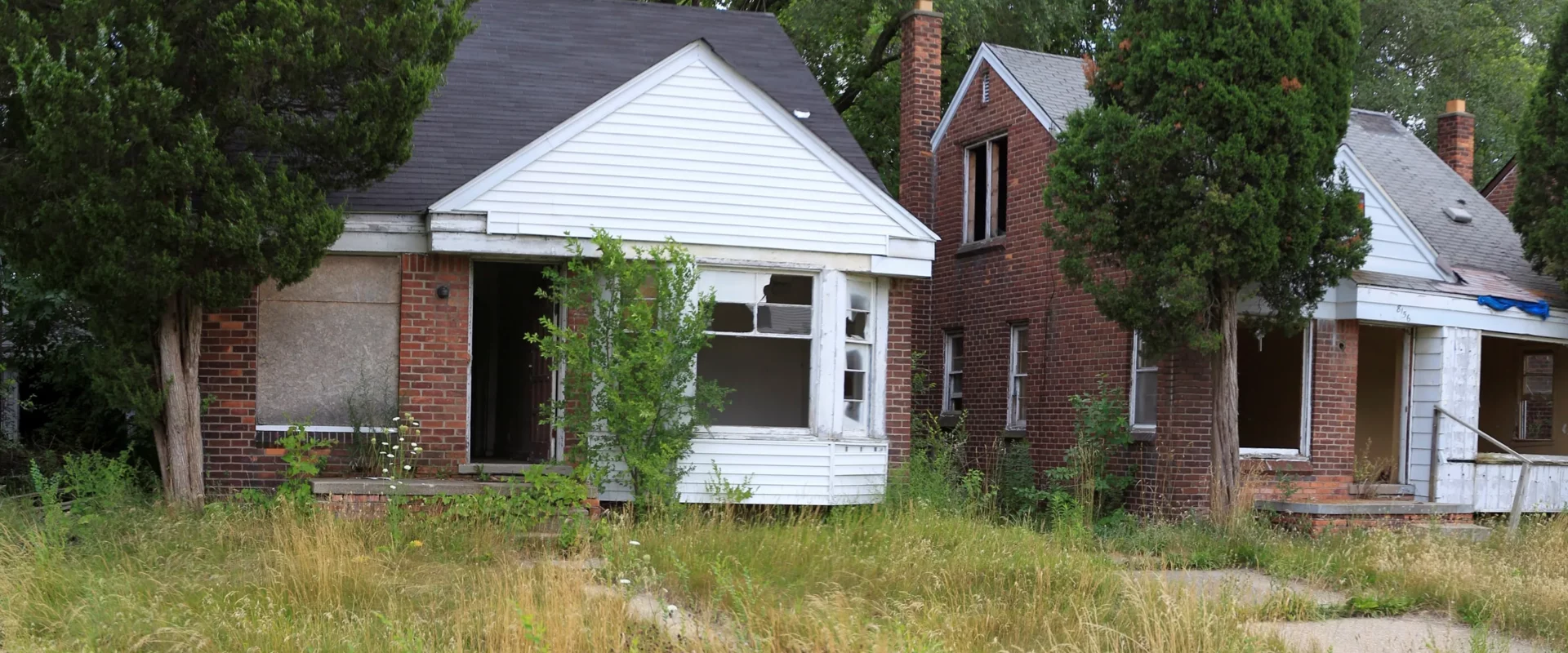
It means you need to understand what market you’re actually in, not the one you remember.
This guide explains:
- What’s happening in the Lithonia housing market right now
- Why price decreases outnumber price increases
- How distressed properties and auctions affect your value
- What sellers should think through before listing
- How to choose a selling strategy that fits your situation
No hype. No sugarcoating. Just information you can use.
1. The Current Lithonia Housing Market: What’s Really Going On
Lithonia became popular during the last market cycle because it offered something buyers desperately wanted: affordability within Metro Atlanta. As prices skyrocketed in Decatur, East Atlanta, Kirkwood, and even Stone Mountain, Lithonia became a logical alternative.
But markets move in cycles, and the conditions that pushed buyers east have shifted.
What Sellers Are Seeing Now
- More homes available for sale at the same time
- Fewer multiple-offer situations
- Longer days on market
- Buyers asking tougher questions and negotiating harder
This isn’t a crash. It’s a correction and normalization.
The biggest difference between now and the last few years is simple:
buyers have options again.
When buyers have options, sellers must compete—not just on price, but on condition, terms, and flexibility.
2. Inventory Has Increased, Even If It Doesn’t Feel Like It
Many sellers say, “But there aren’t that many houses for sale.”
What they’re noticing is relative inventory, not effective inventory.
What’s Actually Happening
- More listings are entering the market
- Fewer are selling quickly
- Inventory accumulates instead of clearing
That creates a backlog.
Even if only a few homes are listed at any given moment, if they don’t sell, they stack up. Buyers then compare your home against:
- Homes that have already reduced their price
- Homes that failed to sell previously
- Homes with seller concessions
This changes buyer psychology. Instead of urgency, they feel patience.
3. Why Price Reductions Are More Common Than Price Increases
One of the clearest signals of the current market is this:
price reductions outnumber price increases on the MLS in Lithonia and much of DeKalb County.
Why Sellers Start High
Many sellers price based on:
- What a neighbor sold for last year
- What Zillow says
- What they “need” to walk away with
Those numbers often reflect a past market, not the current one.
Why Reductions Follow
Once listed, reality sets in:
- Showings are slow
- Feedback mentions price
- Buyers compare alternatives
- Appraisals won’t support optimistic pricing
Instead of one strategic price, sellers end up chasing the market downward in steps. Ironically, this often leads to a lower final price than if they had priced correctly from the start.
Why Buyers Expect Reductions
Buyers now assume:
- Sellers are flexible
- Reductions will happen
- Waiting improves their leverage
That expectation alone puts pressure on listings.
4. Distressed Properties Are Becoming More Visible
Distressed properties have always existed, but in Lithonia they are becoming more noticeable, not necessarily more numerous overnight—but more concentrated.
Types of Distress Sellers Are Seeing
- Pre-foreclosures
- Auction-bound properties
- Tax delinquent homes
- Vacant or neglected houses
- Investor-owned rentals being liquidated
These homes influence the market even if they aren’t directly comparable.
5. Why Distress Is Rising in This Area
A. Payment Increases
Escrow adjustments, taxes, and insurance increases have pushed some homeowners past affordability thresholds. Even people who were “fine” two years ago are now stretched.
B. Deferred Maintenance Catching Up
Homes purchased or inherited without consistent upkeep eventually demand attention. Roofs, HVAC systems, plumbing, and foundations don’t wait for perfect timing.
When major repairs collide with financial strain, distress follows.
C. Investor Fatigue
Some rentals no longer cash flow. Some investors miscalculated expenses. When returns drop, liquidation becomes the exit strategy.
6. How Auctions Affect the Broader Market
Foreclosure auctions don’t just impact distressed homeowners. They shape buyer expectations across the board.
Why Auctions Matter to You
- Auction prices anchor “discount expectations”
- Investors use auction data in their formulas
- Appraisers see low-end sales in the area
- Buyers assume room for negotiation
Even if your home is not distressed, the presence of auctions nearby affects perception.
7. Lithonia vs. the Rest of Metro Atlanta
Lithonia occupies a middle ground.
Compared to In-Town Atlanta
- Less emotional buyer demand
- More price sensitivity
- Fewer cash-rich buyers
Compared to Outer Suburbs
- Still relatively affordable
- Still attractive to investors
- Still moving—but more slowly
This means Lithonia is neither immune nor collapsing. It is adjusting.
8. What Sellers Must Think About Before Listing
A. Motivation Matters More Than the Market
A seller relocating for work needs a different strategy than someone testing the waters. Motivation dictates pricing, flexibility, and tolerance for delays.
B. Timeline Changes Everything
Urgency narrows options. Time expands them. Know which category you’re in before choosing a path.
C. Condition Is Non-Negotiable
Buyers today scrutinize:
- Roof age
- HVAC age
- Foundation cracks
- Water damage
- Cosmetic fatigue
Ignoring condition doesn’t make it disappear—it just shows up later as price pressure.
9. Pricing Strategy Is the Entire Game Right Now
The market punishes overpricing quickly.
Why the First 14 Days Matter
- Most serious buyers watch new listings
- Algorithms boost fresh inventory
- Initial buzz determines momentum
Miss that window, and your listing becomes “stale,” regardless of quality.
Smart Pricing Means
- Using recent sold comps only
- Adjusting honestly for condition
- Pricing for today, not last year
- Leaving room for negotiation without fantasy margins
10. Repairs vs. Selling As-Is in Lithonia
This decision deserves real analysis, not assumptions.
When Repairs Make Sense
- Cosmetic issues only
- Strong retail buyer demand
- Adequate cash reserves
- Time flexibility
When Selling As-Is Makes Sense
- Major repairs required
- Financial pressure
- Inherited or vacant property
- Fear of inspection fallout
Lithonia has a healthy as-is buyer pool. That doesn’t mean taking the first low offer—it means choosing convenience knowingly.
11. Listing on MLS vs. Selling Off-Market
Traditional MLS Listing
Best when:
- Home is market-ready
- Seller wants top dollar
- Time allows
- Repairs are manageable
Risks:
- Appraisal issues
- Inspection renegotiations
- Buyer financing failures
Off-Market or Direct Sale
Best when:
- Speed matters
- Repairs are significant
- Privacy is preferred
- Certainty outweighs maximum price
Neither option is “better.” One is simply better for you.
12. The Emotional Trap Sellers Fall Into
Sellers often price emotionally:
- Based on memories
- Based on neighbors’ success
- Based on what they need
Markets don’t care about needs. Buyers don’t pay for nostalgia. The sooner sellers detach emotionally, the better outcomes they get.
13. What Successful Lithonia Sellers Are Doing Differently
They:
- Price realistically from day one
- Understand net proceeds, not list price
- Stay flexible with terms
- Choose the right buyer pool
- Adjust quickly instead of waiting
They treat selling as a strategy, not a hope.
14. Final Thoughts: Selling Smart in Lithonia Today
Selling in Lithonia right now requires:
- Awareness
- Honesty
- Adaptability
Yes, price reductions are common.
Yes, distress and auctions exist.
Yes, buyers are cautious.
But homes still sell every single day.
The sellers who succeed aren’t the most optimistic or pessimistic.
They’re the most informed.
If You’re Thinking About Selling in Lithonia or Metro Atlanta
Before you list, reduce, or panic:
- Understand your options
- Understand your numbers
- Choose the path that fits your life
Because the best sale isn’t always the highest price.
It’s the one that lets you move forward without regret.